Sussex Gardens flats: staircase-only move solutions
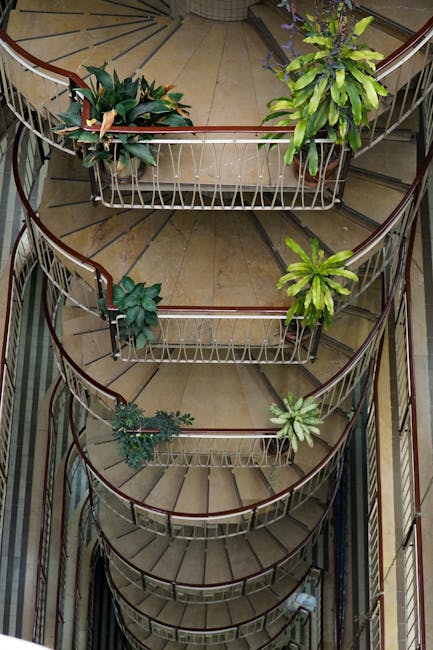
Moving in Sussex Gardens can look straightforward on paper, then suddenly the reality hits: no lift, a narrow staircase, a landing that barely turns, and a sofa that seemed perfectly ordinary until it met the first flight of stairs. If you are dealing with Sussex Gardens flats: staircase-only move solutions, you are not alone. These moves need careful planning, the right carrying technique, and a bit of local know-how to avoid damage, delays, and that awful moment when everyone goes quiet because the wardrobe has wedged itself halfway up the stairwell.
This guide walks through what staircase-only moving really means, why it matters in Sussex Gardens, how experienced movers handle it, and what you can do to make the day calmer and safer. It is written for real flats, real furniture, and real London staircases - not the fantasy version where everything glides neatly into place.
Why Sussex Gardens flats staircase-only move solutions matter
Sussex Gardens has the kind of building stock that keeps removals teams honest. Many flats sit in period conversions or older mansion blocks where stair access is the only option, and even when the property looks elegant from the street, the internal layout can be tight, twisty, and surprisingly unforgiving. That matters because the wrong approach can lead to scuffed walls, broken handles, strained backs, and a move that takes twice as long as it should.
Staircase-only moves are not just about brute strength. They are about route planning, item protection, timing, and coordination. A good team will measure furniture, assess stair width, protect touch points, and decide whether items should be dismantled before lifting begins. In a place like Sussex Gardens, that kind of preparation is often the difference between a smooth move and a stressful one.
There is also the neighbour factor. Stairwells in shared buildings carry noise, traffic, and the occasional awkward pause when someone needs to pass. A tidy, respectful process matters just as much as the lifting itself. If you are also trying to understand the local moving landscape, our guides on Paddington life and area context and resident advice for Paddington living give helpful background on the neighbourhood feel around the wider area.
How Sussex Gardens flats staircase-only move solutions works
In practical terms, staircase-only moving is a controlled manual handling job. The team starts by looking at the access rather than the inventory alone. You can have the best packing in the world, but if a sofa cannot turn on the second landing, it still has to be planned around.
The process usually begins with a quick assessment of the building entrance, stair width, headroom, handrails, and turning points. Then the movers compare those measurements with the larger items: wardrobes, beds, mattresses, chests of drawers, sofas, desks, and anything awkwardly shaped. If needed, they will dismantle certain items, wrap them in protective materials, and schedule the heaviest lifts for when the stairwell is clear.
For flats with no lift, the key methods are usually:
- Disassembly of beds, tables, and modular furniture to reduce bulk.
- Protective wrapping for corners, rails, banisters, and the item itself.
- Team lifting using coordinated, slow movements through bends and landings.
- Load staging so items are not left blocking shared areas.
- Route control to keep the stairwell clear and reduce stop-start movement.
Sometimes the best solution is not just stronger lifting. It is better sequencing. A mattress comes first, then the bed frame parts, then smaller boxes, and only after that do you tackle the awkward stuff. It sounds obvious, but honestly, people forget this all the time once the tape dispenser comes out and everyone is in a rush.
Key benefits and practical advantages
The obvious benefit is that staircase-only moves make properties without lifts fully manageable. But there are some quieter advantages too, and those often make the biggest difference on the day.
1. More control over fragile items. Stairs can actually be safer than cramped lift spaces when handled properly because movers can adjust angles and pace more freely. That is useful for delicate furniture, artwork, mirrors, and anything with irregular weight distribution.
2. Less dependence on building facilities. If the lift is small, unreliable, or reserved, stair-only planning gives you certainty. No waiting around, no stress about lift bookings, and no last-minute awkwardness if a lift goes out of service.
3. Better fit for older Paddington buildings. Many Sussex Gardens flats are simply not built around modern move-in convenience. Stair access planning respects the building instead of fighting it.
4. Safer handling when done well. A properly trained team knows how to carry, pivot, and pause without forcing items through a tight turn. That reduces the risk of strain and damage.
5. Cleaner overall move flow. A staircase-only plan, surprisingly, can be more organised than a lift-based move because everyone knows the route and the order. Less guessing. Less chaos. More rhythm.
Expert summary: For Sussex Gardens flats, the best staircase-only move solutions are rarely about speed first. They are about measurement, sequencing, protection, and calm coordination. Get those four right and the rest becomes much more manageable.
Who this is for and when it makes sense
This approach makes sense for a few common situations. If your flat has no lift at all, you already know the answer. But it also applies when a lift exists yet is too small for your larger furniture, or when shared-building rules make lift use slow or impractical.
You may need staircase-only move solutions if you are:
- moving into or out of a top-floor flat in Sussex Gardens
- dealing with a narrow communal staircase in a period conversion
- moving large furniture that will not fit into a lift
- working around restricted access times
- planning a same-day or short-notice move
- handling a small flat move where speed and simplicity matter
Students, professionals, downsizers, landlords, and short-let tenants all end up in this position more often than you would think. For smaller moves, a service like man with a van Paddington can suit lighter loads, while larger flat moves are often better matched to flat removals Paddington or broader removal services Paddington depending on the volume and access.
If you are unsure whether your move is truly staircase-only, walk the route before moving day. Bring a tape measure, measure the widest item, and check the most awkward landing. That five-minute test can save a lot of sighing later.
Step-by-step guidance
A good staircase-only move is built before the first box is lifted. Here is a simple process that works well for Sussex Gardens flats.
- Survey the access. Measure the stair width, ceiling height at turns, bannister clearance, and any tight corners. Note where the route narrows.
- List the bulky items. Separate furniture that can be carried intact from items that should be dismantled.
- Pack by weight and fragility. Keep heavy books in small boxes and fragile items cushioned, not overstuffed. A box that is too heavy becomes a stairwell problem very quickly.
- Protect the building. Cover vulnerable corners, floors, and banisters before moving starts. Shared hallways deserve respect.
- Set the route order. Decide what comes out first and what can wait. Usually, smaller and lighter items should move ahead of the largest pieces.
- Assign roles. One person should guide each turn or landing. Mixed signals on stairs are not ideal, to put it mildly.
- Move slowly through pinch points. Never force a piece around a corner. Stop, reset, and rotate the item if needed.
- Check the new space before unloading. Make sure the destination room is clear and that furniture can be placed without another lift later.
If you want a broader look at moving around the Paddington area, the practical notes in moving near Paddington Station timing and tips and Paddington Basin parking, lifts and access are useful for understanding how local access and timing can shape the day.
Expert tips for better results
Little details matter more than people expect. Truth be told, most staircase problems are created by planning gaps, not by the stairs themselves.
Measure the furniture with packaging in mind. A sofa can be deceptively wide once wrapped. If you only measure the bare item, you may be underestimating the real footprint.
Keep the stairwell clear. One abandoned bag on a landing can become a trip hazard when everyone is moving in and out. Not dramatic, just annoying - and avoidable.
Use consistent lifting language. Phrases like "lift", "pause", "turn", and "set down" should mean the same thing to everyone. A tiny bit of discipline goes a long way.
Dismantle early, not late. If a wardrobe needs removing from its hinges or a bed frame needs taking apart, do that before the team starts carrying. Once you are on a landing, the clock starts to feel louder.
Protect floors near the entrance. Sussex Gardens properties often have shared surfaces that pick up marks quickly. Good movers will use floor protection where appropriate, especially during wet weather.
Think about arrival timing. A morning move may feel calmer because the building is quieter. Later in the day, you may see more neighbour traffic, delivery activity, or that familiar London rush around the doors.
For awkward or high-value items, it can also be worth checking related specialist support such as furniture removals Paddington and, where needed, piano removals Paddington. Some items really do need an extra layer of care, and that is just sensible.
Common mistakes to avoid
Staircase moves are not the place for guesswork. A few common errors come up again and again.
- Underestimating stair turns. A straight run may be fine, then the landing catches everything. That is the usual surprise.
- Leaving packing too loose. Boxes that shift internally are harder to carry and can split under pressure.
- Trying to move oversized furniture intact. Sometimes the "it should fit" assumption costs more time than dismantling would have.
- Not warning neighbours or building management. Even a small move benefits from courtesy and clear timing.
- Forgetting parking and unloading logistics. A perfectly planned staircase route is still awkward if the van cannot stop sensibly.
- Rushing the heaviest pieces first. Start with items that create flow, not with the most difficult object in the flat.
A lot of stress comes from trying to prove something. You do not need to win against the staircase. You just need to get the furniture through it safely. Small distinction, big difference.
Tools, resources and recommendations
You do not need a truckload of gadgets, but a few practical tools make staircase-only moves much easier.
- Measuring tape for stair widths, turns, furniture depth, and doorway clearance.
- Furniture blankets and protective wrap to protect edges and reduce scuffing.
- Allen keys, screwdrivers, and labelled bags for dismantling and reassembly.
- Gloves with a secure grip for better handling on awkward pieces.
- Floor and banister protection where building surfaces need shielding.
- Strong boxes in consistent sizes so stacks behave properly in the van and in the hallway.
On the service side, it helps to look at the broader support pages before booking. The company's services overview is useful if you are comparing options, while pricing and quotes can help you frame the job in a realistic way. If payment reassurance matters to you - and let's face it, it usually does - then payment and security is worth a quick look too.
For general move prep, packing and boxes Paddington can help you think through the practical side of organising your things before the movers arrive.
Law, compliance, standards and best practice
Staircase-only moves sit in a fairly ordinary but important corner of the removals world: manual handling, property protection, and safe access. In the UK, the basic expectation is that lifting is managed sensibly, with attention to load weight, awkward shape, repetitive movement, and the risk of slips or trips. You do not need to memorise regulations to benefit from them, but you should expect a professional removals team to work cautiously and to avoid unsafe lifting.
Best practice usually includes:
- assessing access before heavy lifting begins
- breaking down heavy or awkward furniture where appropriate
- using enough trained hands for each item
- keeping shared areas tidy and passable
- protecting walls, floors, and corners from avoidable damage
- taking breaks or resetting the lift when an item stops moving safely
Insurance is worth mentioning here as well. If you are booking a move involving stairs and shared building access, check what is covered and what exclusions may apply. Good movers should be able to talk you through this plainly. If you want more context, the pages on insurance and safety and health and safety policy are the right kind of reading before move day.
Accessibility matters too. Even when a building is staircase-only, the move should still be planned with care for residents, neighbours, and anyone with limited mobility in the building. Respectful access is just good practice, full stop.
Options, methods and comparison table
There is no single correct way to handle a Sussex Gardens stair-only move. The right choice depends on item size, timing, budget, and how much furniture you actually have. Here is a simple comparison to make the decision easier.
| Method | Best for | Strengths | Watch-outs |
|---|---|---|---|
| Man and van | Small flat moves, a few bulky items, flexible timing | Cost-effective, nimble, good for lighter loads | May not suit very large or heavily layered moves |
| Full flat removals | Complete flat contents, mixed furniture, more packing | More hands, more organisation, better for complex access | Usually more involved to arrange |
| Specialist furniture move | Large wardrobes, pianos, fragile or high-value items | Extra care, specific handling, better protection | May be overkill for simple moves |
| Same-day assistance | Short-notice moves, delayed handovers, urgent access windows | Fast response, practical when time is tight | Availability can be limited, especially at busy times |
If you are balancing urgency and access constraints, same-day removals Paddington may be relevant, while removal van Paddington can be a sensible fit for smaller loads. For broader local move support, removals Paddington is the wider umbrella.
Case study or real-world example
Picture a top-floor Sussex Gardens flat with a narrow staircase and a two-piece sofa, a bed frame, a chest of drawers, and about twenty boxes. Nothing dramatic. Just enough furniture to make the stairs feel smaller than they are.
In a situation like that, the move usually works best when the team starts with measurements, then removes the bed frame and any detachable sofa feet or sections before moving day. On the day itself, lighter boxes go first to create space, then the mattress, then the disassembled furniture parts, and finally the bulky items that need slower handling. A landing-by-landing approach keeps the stairwell clear and gives the team room to turn safely.
What tends to go wrong in these real-life jobs is not the stairs themselves. It is usually one of three things: overpacked boxes, an awkwardly left-together item that should have been dismantled, or a van arrival that does not match the building access window. When everything is lined up, the move feels steady rather than frantic. You will still be busy, of course, but it becomes a workable morning instead of a mini crisis.
If the furniture is unusually large or awkward, it is often better to flag it early and ask for a specialist approach rather than hoping someone will "just make it fit." That little bit of honesty saves everyone a headache.
Practical checklist
Use this checklist a day or two before the move. It is simple, but it catches the usual troublemakers.
- Measure the widest furniture pieces, including any packaging
- Check stair width, turns, and doorway clearances
- Decide which items will be dismantled before moving day
- Pack heavy items into smaller boxes
- Label boxes by room and priority
- Protect floors, banisters, and vulnerable corners where needed
- Confirm parking and unloading arrangements
- Keep hallways and landings clear for neighbours
- Separate essentials for first-night access
- Double-check payment, insurance, and booking details
A tiny extra tip: keep a screwdriver, tape, and scissors in one easy-to-find bag. You will thank yourself later. Usually around the exact moment you need them and cannot remember which box swallowed them.
Get a free quote today and see how much you can save.
Conclusion
Sussex Gardens flats often demand a moving approach that is more thoughtful than flashy. Staircase-only access is not a barrier so much as a planning requirement, and once you respect that, the whole job gets easier. Measure properly, pack sensibly, protect the building, and move in a calm sequence rather than rushing the heaviest item first.
That is really the heart of it. Staircase-only moves work best when they feel unhurried, even if the day itself is busy. With the right preparation, you can get furniture through a narrow building without drama, damage, or unnecessary stress. And when it is done well, there is a quiet satisfaction to it - like solving a puzzle the sensible way.
For anyone moving in Sussex Gardens, the next step is simple: assess the access honestly, choose the right support level, and plan around the staircase instead of against it. The move gets lighter from there.
Frequently Asked Questions
What are Sussex Gardens flats: staircase-only move solutions?
They are moving methods designed for flats that do not have practical lift access, or where stairs are the only realistic route for carrying furniture and boxes safely.
Do staircase-only moves take longer than lift moves?
Usually, yes. Stair moves are slower because turns, landings, and manual carrying need more care. That said, a well-planned staircase move can still be efficient.
Can a sofa or wardrobe be moved up narrow Sussex Gardens stairs?
Sometimes, yes - but it depends on the exact dimensions. Many large items need dismantling, rotation, or extra protection to get through safely.
Should I dismantle furniture before the movers arrive?
If possible, yes. Dismantling beds, wardrobes, and tables in advance often saves time and reduces the chance of damage on tight stairs.
What if my flat has a lift, but it is too small?
Then you may still need staircase-only handling for larger pieces. It is common for older buildings to have lifts that are useful for boxes but not for bulky furniture.
Is stair-only moving safe for heavy items?
It can be, provided the team uses proper lifting technique, enough hands, and sensible pacing. Safety drops quickly when people try to rush.
How do I prepare my boxes for a staircase move?
Use smaller boxes for heavy items, seal them well, and keep the weight manageable. Big boxes full of books look harmless until they meet the first landing.
Do I need to tell the building management about the move?
In many buildings, yes. Even where it is not formally required, giving notice is courteous and helps avoid access problems or complaints.
What type of removals service is best for a small Sussex Gardens flat?
That depends on how much you are moving. A man and van can suit a lighter load, while a full flat removals service is better for a complete household move.
How far in advance should I book a staircase-only move?
As early as you can, especially if you need a specific time slot or have bulky items. Short-notice bookings are possible, but availability can be tighter.
Can same-day removals work for staircase-only flats?
Yes, they can, if the move is straightforward and the team has the right vehicle and crew available. For more complicated access, more notice is always better.
What should I ask a removals company before booking?
Ask how they handle stairs, whether they can dismantle furniture, what protection they use, and how they manage insurance and access planning. Clear answers are a good sign.