Prices
  Request a call back
  Moving Guides
  Free quote
 Skip, disposal and fines in W2: council rules
Posted on 22/06/2026
If you are planning a clear-out, renovation, move, or office refresh in W2, the rules around skips, disposal, and council fines can catch you out faster than you expect. One day you are trying to get rid of a broken wardrobe or a pile of builder's rubble; the next, you are dealing with permit questions, obstruction issues, and the risk of a fine because the waste was left out in the wrong way. That is exactly why understanding Skip, disposal and fines in W2: council rules matters before anything is loaded, lifted, or left on the pavement.
This guide breaks the topic down in plain English. You will learn how skips are normally managed, what "proper disposal" means in a busy London postcode, when fines tend to happen, and how to avoid the sort of small mistake that becomes an expensive headache. If you are moving home, planning a flat clearance, or handling bulky items near Paddington, you may also find it helpful to read about Westminster council permit rules for Paddington moves and the practical realities covered in our hidden-fees checklist.
Why Skip, disposal and fines in W2: council rules Matters
W2 is busy, dense, and not especially forgiving when waste is managed casually. Streets can be narrow, parking is tight, access changes by the hour, and a skip left in the wrong place can inconvenience neighbours, block a footway, or draw attention from enforcement. In other words, this is not the sort of area where you can just "sort it later".
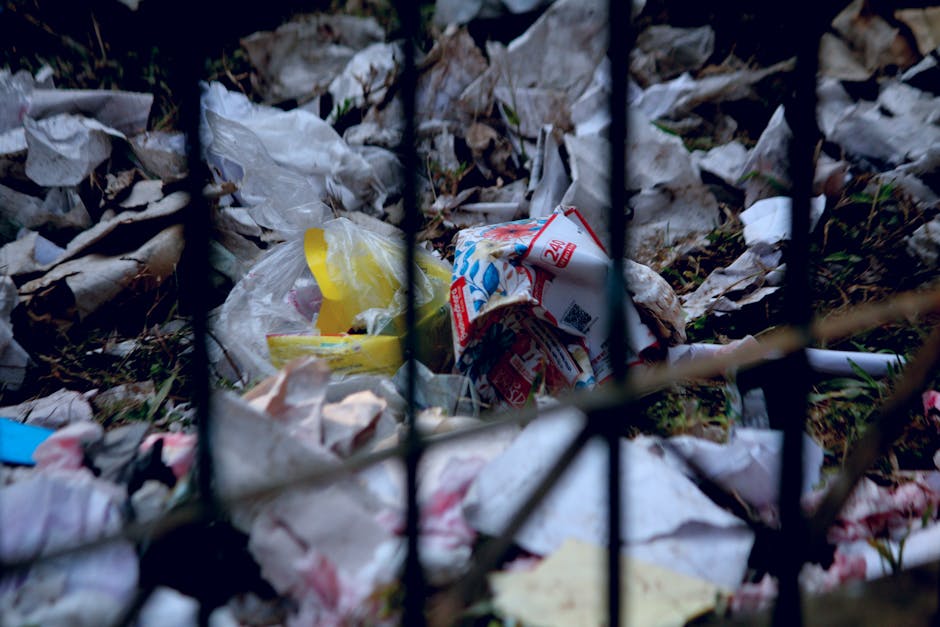
The reason the rules matter is simple: waste is one of those things that looks harmless until it becomes a public issue. A mattress left beside a bin store, an overfilled skip with sharp edges sticking out, or rubble bags placed where they create an obstruction can all create complaints. Once complaints start, fines are rarely far behind. And no, the fine is not the only cost. There is also the re-arranging, the delay, the awkward conversation with a managing agent, and the very real chance that your project timetable gets thrown off.
For people moving in the area, this can become tangled with parking, loading, and access decisions. If that sounds familiar, the moving logistics guides on Paddington Basin parking, lifts and access and moving near Paddington Station are useful companion reads. They show how quickly a simple job becomes a timing puzzle in central London. Truth be told, the waste issue is often the bit people underestimate.
Expert takeaway: In W2, the safest approach is not "what's the quickest way to get rid of this?" but "what disposal method keeps me compliant, keeps the pavement clear, and keeps the neighbours happy?" That small shift in thinking saves time later.
How Skip, disposal and fines in W2: council rules Works
At a practical level, the process usually falls into three parts: choosing the disposal method, checking whether permissions are needed, and making sure the waste does not create a public nuisance. That sounds straightforward. Then you hit the real world, where access is awkward and everyone is juggling vans, bins, deliveries, and building rules at the same time.
1. Skips
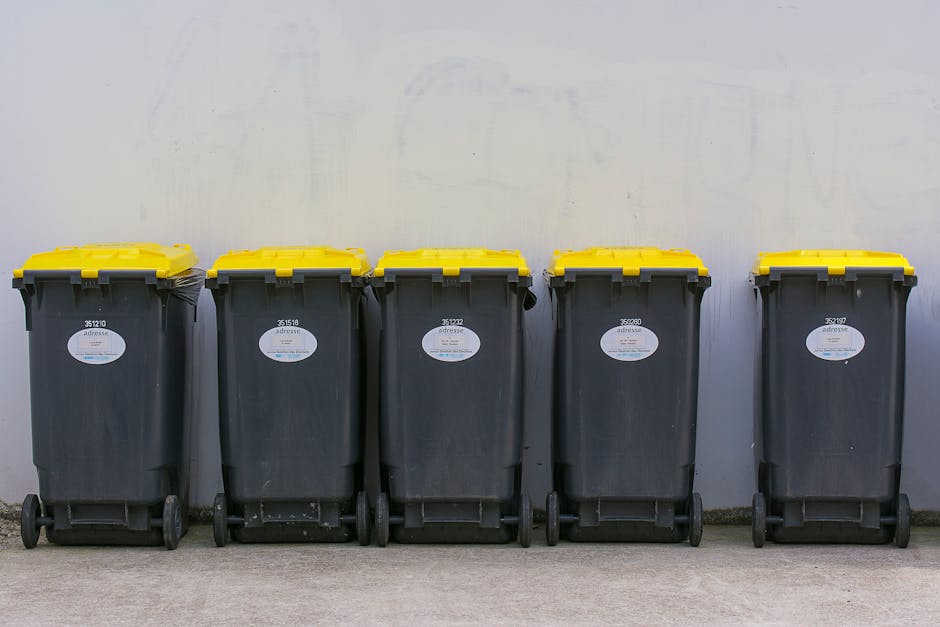
A skip is normally used for mixed waste, renovation debris, or a larger volume of items that are not suitable for ordinary household bins. In central London, the main issue is not just the skip itself, but where it sits. On private land, the rules are usually simpler, though building management may still require approval. On the road or pavement, you may need a permit and there may be restrictions on placement, size, lighting, and duration.
The important point is this: a skip is never just a bin. It is an object that affects road safety, access, and public space. If it is overfilled, badly placed, or left too long, it can become a fine-worthy problem very quickly.
2. Disposal
Disposal is broader. It covers how items are taken away, where they go, and whether they are handled by a licensed waste carrier or another lawful route. For bulky furniture, white goods, office contents, or mixed rubble, disposal should be planned in advance. That may mean reuse, recycling, direct removal, or a combination of methods.
A sensible disposal plan usually starts with sorting. Keep recyclables separate where you can. Put reusable items to one side. Make sure anything sharp, heavy, or awkward is wrapped or secured. If you are clearing a flat or office, this step alone can cut the chaos in half. It is boring, yes. It also works.
3. Fines
Fines tend to follow one of a few patterns: waste placed unlawfully, obstructions caused in communal or public areas, failure to follow permit conditions, or dumping items without proper arrangements. In some cases, the issue is not that you intended to do the wrong thing. It is that the setup made the wrong thing likely. That is why planning matters so much.
If you are comparing removal methods, a service like man with a van Paddington can be a practical route for smaller jobs, while removal services Paddington may suit larger or more complex clear-outs. The right choice depends less on labels and more on access, volume, and timing.
Key Benefits and Practical Advantages
Getting the rules right is not just about avoiding penalties. There are some very real practical upsides, especially in W2 where space is at a premium and people notice when something is in the way.
- Less risk of fines: this is the obvious one, but worth saying plainly.
- Smoother project timing: when waste is handled properly, crews can keep moving without interruptions.
- Better neighbour relations: no one enjoys looking at an overflowing skip outside their front door.
- Safer access: clear pavements and tidy loading areas reduce trip hazards and awkward manoeuvres.
- Cleaner sorting: recyclable and reusable items are easier to separate when disposal is planned, not improvised.
- Lower stress: honestly, having a clean plan helps you think more clearly about the rest of the move or refurbishment.
There is also a financial angle. People often focus on the headline cost of removal and overlook the hidden costs of doing it badly: missed collections, extra labour, repeat trips, or penalty notices. A small bit of planning can save a surprisingly large amount of fuss.
Who This Is For and When It Makes Sense
This topic matters to a lot of people, not just builders and landlords. In W2, the typical situations are varied:
- Home movers clearing out unwanted furniture, packaging, and leftover items.
- Flat owners or tenants dealing with bulky waste in tight communal spaces.
- Landlords and letting agents arranging end-of-tenancy clearances.
- Office managers handling desk moves, archive disposal, or old equipment.
- Refurbishment teams needing a lawful way to manage rubble and mixed waste.
- Students at the end of term, when the "I'll sort it tomorrow" pile somehow becomes a mountain.
It makes sense to think about these rules whenever waste is too large for normal collection, too heavy to move casually, or too messy to leave to chance. If you are dealing with furniture specifically, furniture removals Paddington can be a useful route. For larger domestic projects, home removals Paddington often provides the broader support you need.
If your job is small and time-sensitive, a same-day removals Paddington option may help, but only if access and waste handling are properly planned. Speed is useful. Speed without control is how problems start.
Step-by-Step Guidance
Here is the simplest way to approach skip, disposal, and fine risk in W2 without overcomplicating it.
- List everything that needs to go. Separate bulky items, rubble, electricals, general waste, and anything reusable.
- Check where the waste will sit. Private land, communal land, pavement, and road space all raise different issues.
- Decide whether a skip is actually needed. For some jobs, a removal vehicle or man and van service is cleaner and easier.
- Confirm access and timing. In W2, a delivery window can matter as much as the service itself.
- Look for permit or building approval needs. Managing agents and councils may both have conditions.
- Keep pathways clear. Bags, boards, doors, and loading points should not block residents or pedestrians.
- Load safely and sensibly. Do not overfill, overstack, or hide sharp edges.
- Arrange disposal with a clear plan. Reuse, recycling, and lawful removal should be decided before the pile grows.
- Keep records. Receipts, booking confirmations, and disposal paperwork can matter if questions arise.
If you are near a station, in a basement, or working around lifts, the moving guide on parking, lifts and access in Paddington Basin is worth a look. The physical access details often shape the disposal method more than people expect.
Expert Tips for Better Results
In our experience, the best outcomes usually come from a few small habits rather than one dramatic decision.
First, measure the awkward things. A sofa that looks manageable at home may turn into a problem when you meet a narrow stairwell or a tight service lift. Measure doorways, corridors, and lift dimensions before you commit to a disposal plan.
Second, avoid assuming "temporary" means safe. A bag left for a few hours can still cause obstruction or complaints. In busy parts of W2, temporary can become visible very quickly. One evening bag can feel like a permanent fixture by the next morning. Happens all the time.
Third, plan for weather. Wet cardboard, slippery cardboard, and soggy packaging do not just look untidy; they become harder to move and easier to scatter. A drizzle at 8:00 a.m. can change the whole feel of a job.
Fourth, communicate early with building management. If you are in a flat block, ask about loading bays, lift bookings, and waste storage rules before collection day. That small conversation often prevents the big awkward one later.
Fifth, use recycling where it genuinely makes sense. The best disposal plan is not always the quickest. It is the one that balances cost, convenience, and compliance. The sustainability approach outlined in recycling and sustainability is a good reminder that waste handling can be both practical and responsible.

Common Mistakes to Avoid
- Assuming a skip can go anywhere. Placement matters, and so do permission requirements.
- Overfilling the skip. If waste sticks out, you may create safety issues and extra charges.
- Leaving waste on the kerb too early. People often do this to "save time", then regret it when complaints roll in.
- Mixing everything together without sorting. Reusable or recyclable material can get damaged or become more costly to handle.
- Ignoring access issues. If a van cannot stop nearby, the disposal plan has to change.
- Not checking with the building first. Some estates and blocks have stricter rules than the council does. Annoying, but true.
- Choosing the cheapest option without checking what is included. The low quote can become expensive once extras appear.
A lot of these mistakes are avoidable with ten minutes of thought. That is the frustrating bit, really. The fine is often the result of a small oversight, not a grand failure.
Tools, Resources and Recommendations
You do not need fancy systems to stay on top of this. A few simple tools are enough:
- A tape measure for checking items, doors, and access points.
- A phone camera to photograph waste areas, access points, and the condition of items before removal.
- A simple checklist for separating reuse, recycling, disposal, and hazardous items.
- Basic bags, labels, and straps to keep items grouped and safe.
- Booking notes with times, contact names, and access instructions.
On the service side, the most useful pages are often the ones that help you understand scope and pricing before you book. For a broader view, see services overview and pricing and quotes. If you are moving a full flat or a tighter unit, flat removals Paddington may be closer to what you need than a single-purpose waste collection.
For larger or more structured jobs, removals Paddington can help bundle transport and disposal planning into one cleaner process. Less juggling, fewer surprises.
Law, Compliance, Standards, or Best Practice
This area touches compliance, so careful handling matters. The exact rules can vary depending on location, property type, and the nature of the waste, so it is wise to treat any project in W2 as a logistics and compliance exercise, not just a tidy-up.
Best practice usually includes:
- keeping waste off public land unless permission is clearly in place;
- using lawful disposal routes for all waste streams;
- not blocking pavements, entrances, lifts, or fire routes;
- checking whether the building, estate, or managing agent has its own conditions;
- making sure any service provider understands safety and access requirements;
- keeping records of collection, transport, or disposal where appropriate.
If you are arranging a move alongside disposal, it also helps to work with a provider that treats safety as a real operational issue. The information in insurance and safety and health and safety policy is the sort of thing you want to review before moving day, not after. The same goes for the practical points covered in terms and conditions, because fine print has a habit of becoming very loud when something goes wrong.
Practical rule of thumb: if waste or equipment needs to occupy shared space, assume permission and planning are needed. That is a safer mindset than assuming silence means approval.
Options, Methods, or Comparison Table
Choosing the right disposal method usually comes down to volume, access, timing, and how much control you want over the process. Here is a simple comparison.
| Method | Best for | Strengths | Watch-outs |
|---|---|---|---|
| Skip hire | Building waste, mixed bulky waste, renovation debris | Good capacity, simple for larger loads | Permit and placement issues, can be awkward on tight streets |
| Man and van removal | Bulky items, furniture, mixed household waste | Flexible, fast, often easier in W2 access conditions | May not suit heavy rubble or very large volumes |
| Full removal service | House moves, flat clearances, office clear-outs | Broader support, less coordination, more hands-on help | Cost can be higher than a simple collection |
| Recycling / reuse route | Usable furniture, equipment, separated materials | Responsible, can reduce disposal volume | Needs sorting and a bit more organisation |
For people weighing up support levels, it can help to look at movers Paddington alongside the more specific man with a van Paddington option. One is not "better" in the abstract. The right fit depends on the job.
Case Study or Real-World Example
Imagine a first-floor flat in W2 with a small hallway, a lift that is booked solid until lunchtime, and a pile of furniture left after a quick refurbishment. There is also packaging, a broken chest of drawers, and a stack of old office-style boxes that have been quietly growing in the corner for a week.
The tempting approach is to pile everything outside "just for a moment" while waiting for collection. But the pavement is narrow, the building has neighbours coming and going, and there is no clear plan for what gets collected first. By mid-morning, the pile is in the way, a complaint has been made, and the whole job is under pressure.
The better approach looks more boring, but it works: sort items indoors first, confirm whether the waste needs a skip or a vehicle, book the correct vehicle size, check building access, and keep the shared space clear until the collection is ready. If the items are furniture-heavy, a specialist route such as bulky furniture moves in Paddington may be more practical than trying to force everything into one disposal method. And if the whole job is time-sensitive, a same-day Paddington removals availability and cost discussion can help you understand what is realistic.
The difference is usually not dramatic. Just calmer. Less scraping, less waiting, less of that sinking feeling when the clock has already started winning.
Practical Checklist
- List every item to be removed or disposed of.
- Separate reusable, recyclable, and general waste.
- Check whether any waste will sit on public land or shared land.
- Confirm building, estate, or landlord requirements.
- Measure access points, stairs, corridors, and lift sizes.
- Choose the disposal method that suits the actual volume and weight.
- Book the collection or removal at a realistic time window.
- Keep the route clear for residents, pedestrians, and vehicles.
- Ask for confirmation of what is included in the service.
- Keep records, photos, or paperwork where sensible.
- Do a final sweep for loose waste, tape, straps, and packaging.
If you are planning a move as part of the same project, it can be worth looking at about us and removal companies Paddington to understand the service style you are dealing with before anything is booked. Little details matter here more than people expect.
Get a free quote today and see how much you can save.
Conclusion
Skip, disposal and fines in W2: council rules are really about one thing: handling waste in a way that respects space, access, and local conditions. In a busy part of London, that means planning early, choosing the right disposal method, and treating shared space as something to protect rather than improvise around.
Most problems come from speed without structure. The good news is that a bit of structure goes a long way. Measure first, sort properly, confirm permissions, and keep the process tidy. That is usually enough to avoid the awkward calls, the delays, and the fines that nobody wants to deal with on a wet Tuesday afternoon.
If you remember only one thing, let it be this: the safest disposal plan is the one that looks slightly over-prepared before the job starts. Afterwards, it just looks sensible. And honestly, sensible is underrated.